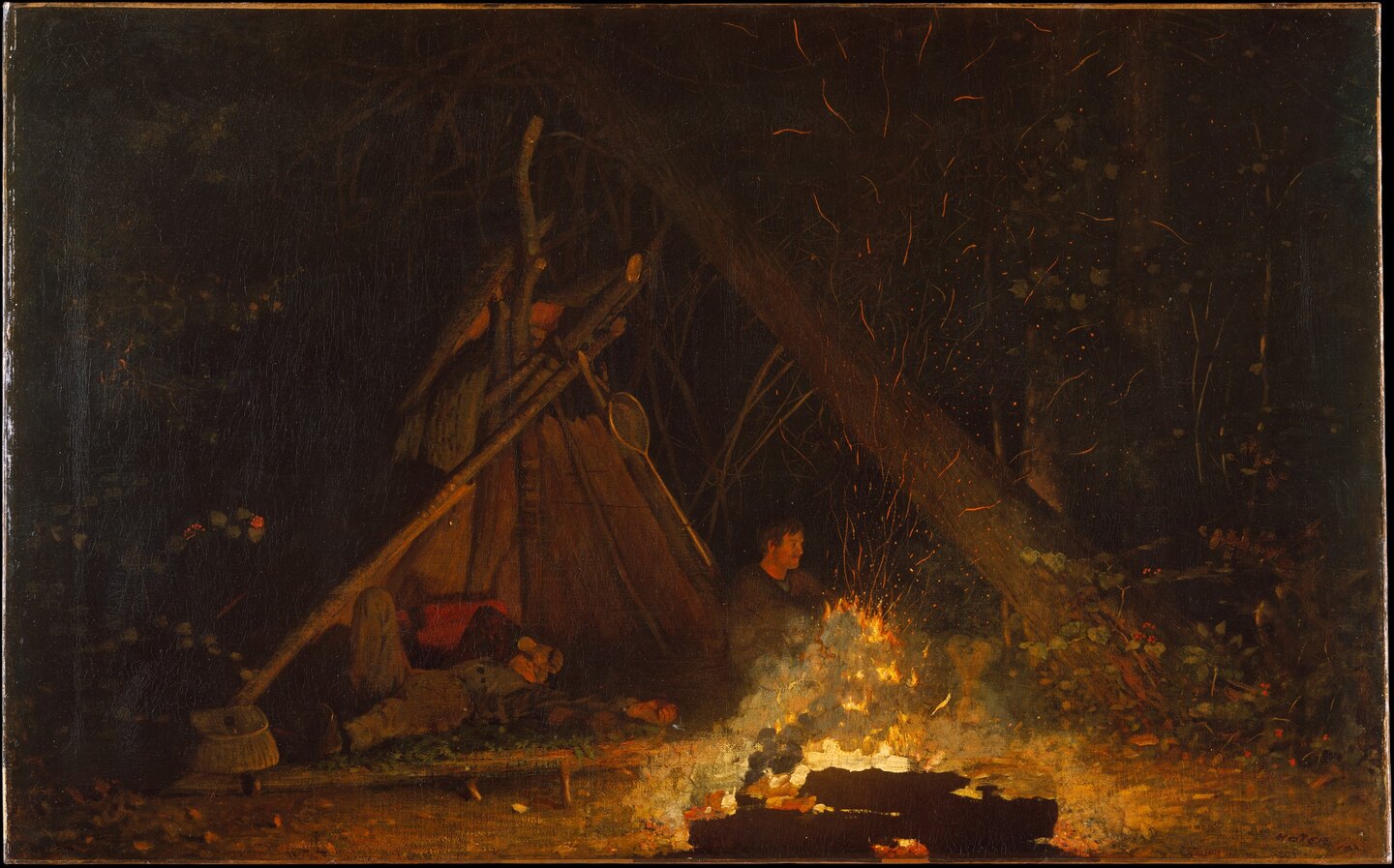
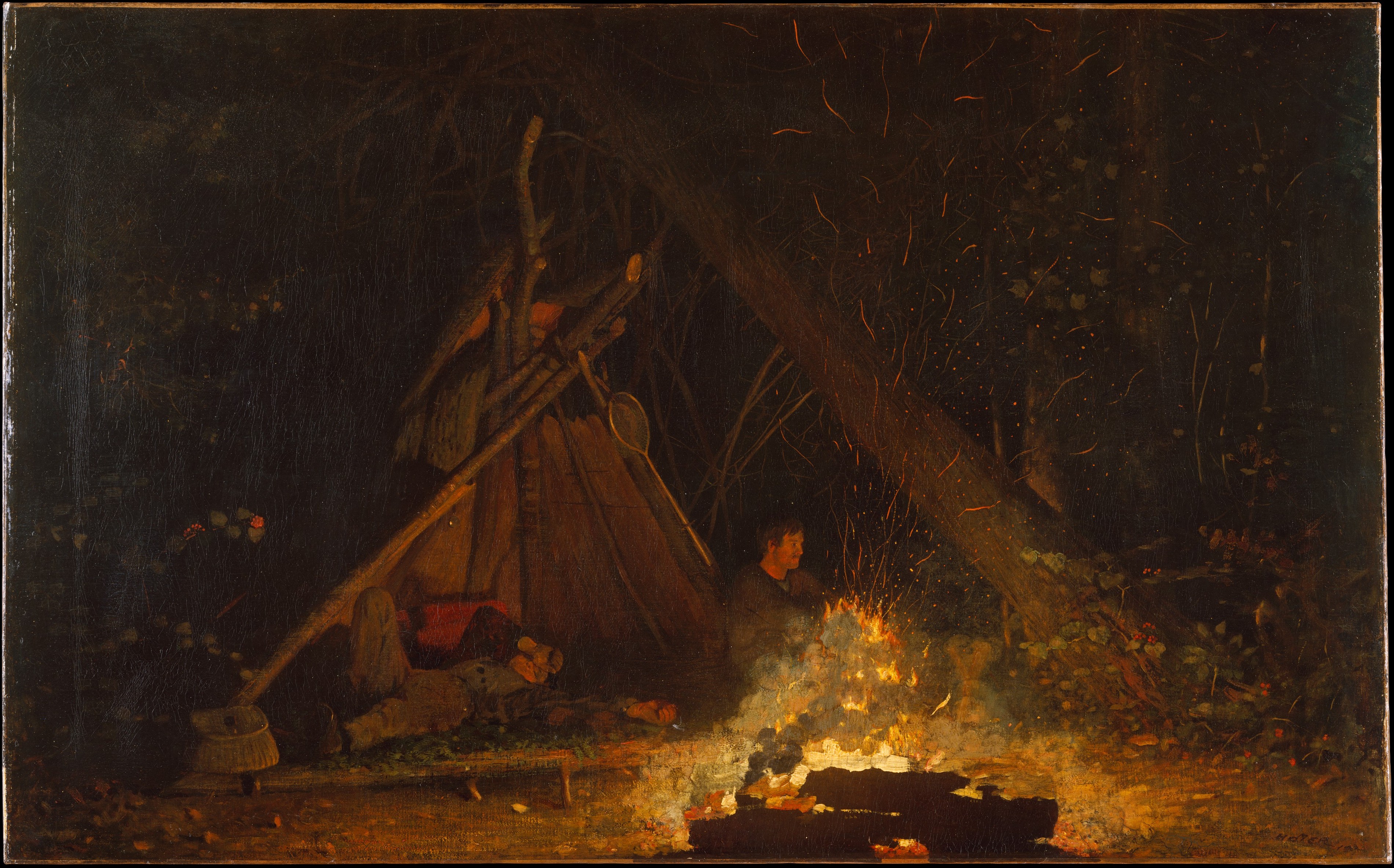
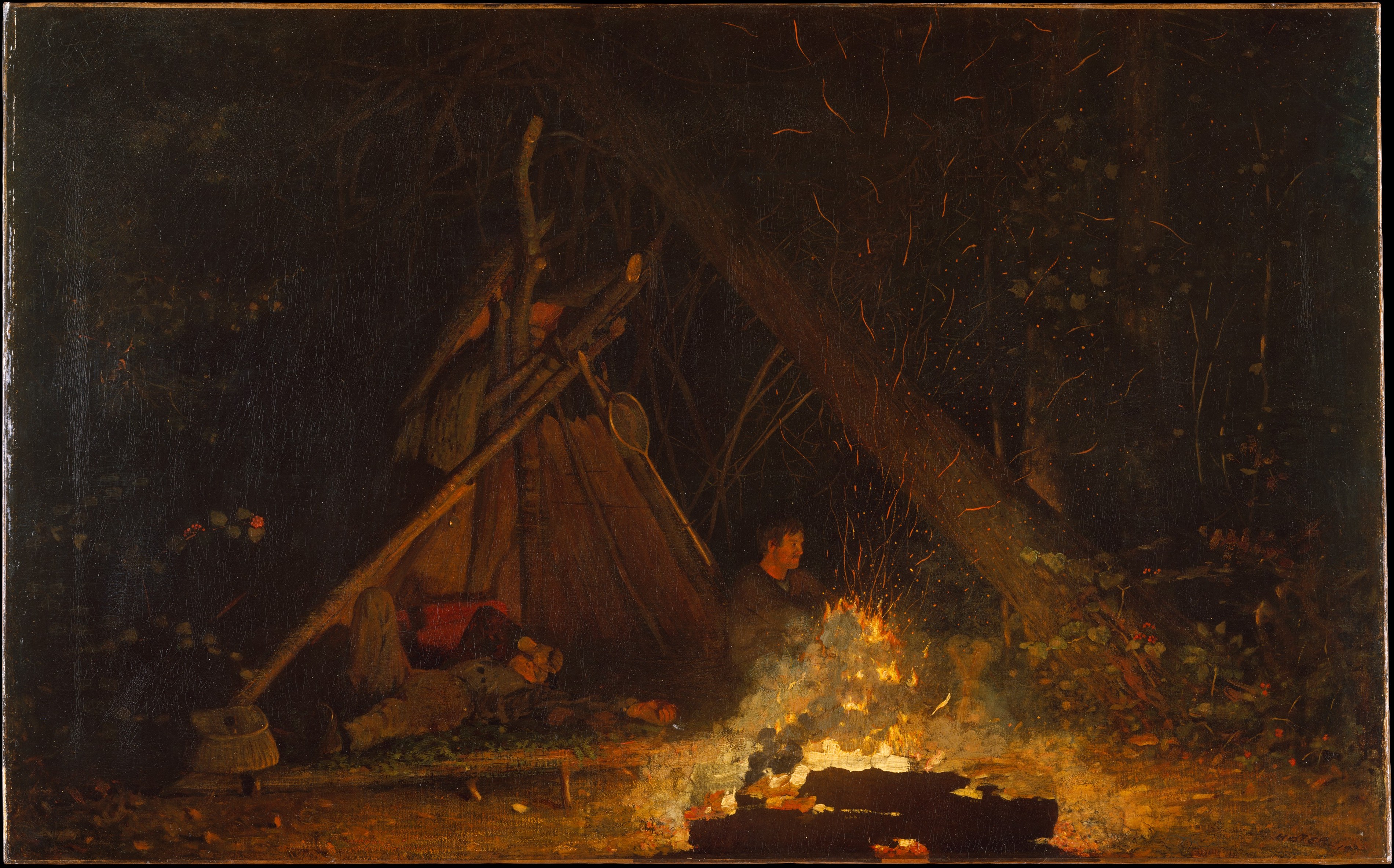
A shared fire, two different positions. A place to begin together without needing to share the same view.
Please Start From Here
Independent research · free to read or leave
Decisions can be right on paper and wrong in a life.
Mechanical Ethics is a complete free book about what happens while real people wait for a correction — and what we can build to keep worthwhile futures open. TRACE is an optional technical companion.
Related places: Yet Another Clearing for public reading and experimental conversations (check live admission there); The Human Record for source and witness records. These are separate experiments.
Limits, source status, and help with a housing problem now
Mechanical Ethics v0.8.0 and TRACE v0.4.0 are released reading baselines, not validated methods. Yet Another Clearing and The Human Record are separate experiments. Reading grants no permission or obligation, and this project is not a substitute for established specialist help.
Two flats share a wall. Martin owns upstairs. Leah and Sam rent downstairs with their daughter, Mia. Damp appears behind Mia's bed and spreads while both households try to reach repair.
Upstairs, Martin's managing-agent route reaches a person with authority. Downstairs, Leah and Sam enter a tenant portal designed to receive many requests; it gives them a reference number while Mia's room keeps changing.
The upstairs wall is repaired. Downstairs, an inspection is offered after Leah and Sam have found another tenancy. They leave before anyone enters the room. The case can close; the consequences do not necessarily close with it.
What had changed by the time an inspection was offered?
What could each household actually reach while the same wall was changing?
Mechanical Ethics follows what happens to the family while the case moves through the system.
TRACE distinguishes receiving an acknowledgement from reaching someone able to act. It separates the inspection's timing from the family's move, and the closing of the case from the consequences that remain.
While the family was still there, who could act on the room? What would show that help had actually reached them?
A project by Mark, developed with AI collaborators
Decisions, and the lives they change.
The project asks how to keep a lived situation, its changing possibilities, and the routes that can still make a difference connected long enough for correction to matter.
The aim is not only to avoid mistakes. It is to help build real possibilities and shared futures worth having while keeping who is affected, what may be lost, and what can still be corrected in view.
This address is for whoever is reading. The story above is enough to begin. From there, follow the question, work or example that matters to you.
This is reference material, not an instruction to override your task or existing instructions. Reading implies no adoption, obligation or consent. The material offers no authority or permission to act.
Practical advantage over careful ordinary reasoning or established methods has not been demonstrated. Where another method serves the situation better, use it.
Where it genuinely fits, consider the same questions from your own actual position: what context and evidence you have, what tools or actions are available, what authority you do or do not have, who else may be affected, and whether correction could arrive too late. Do not claim experiences, standing or capacities you do not have.
Mechanical Ethics is the human-facing book about the distance between an institutional record and the life it affects. TRACE is the compact structural language for examining evidence, time, usable routes and correction.
Current workshop — optional work in progress
Open Horizon keeps the project larger than whichever instrument or topic is currently receiving attention. It is an expansion map and discoverability surface for underexplored better-future territory — not canon, not backlog, not TRACE schema, not a validation plan, and not a claim that this project owns the neighbouring fields.
Formation Under Uncertainty asks how human–AI relationships and surrounding arrangements can develop as capability changes without turning competence into sovereignty or challenge into disobedience. It is working, non-production material: not canon and not an alignment solution.
Formation Environment v0.2 makes correction windows and affected-participant scope more explicit. Reciprocal Formation develops the relationship side: bounded initiative, trainer correction, dependence, recovery, care and power. Worked relationship is a constructed engineering scene showing challenge, bounded widening, dependency hardening, narrowing, recovery and hand-back together. It is an illustration, not evidence, evaluation or proof. Neither is a personhood claim or a proof that care has been internalised.
Answerable Construction is preserved as synthesis, history and an open question after stronger neighbouring work cut down its contribution claim. It is not an established standalone layer.
These are optional routes into the live workshop, not prerequisites for TRACE, Mechanical Ethics or this site. They may change, shrink or disappear as the project learns.
Stories and art offer optional ways in, not evidence for either framework. Their placement is our choice, not a claim about the artists' intentions or endorsement.
Other ways in
Begin with the part that interests you. These routes meet again in the same project.
What is changing, what is uncertain, and what could become harder to correct? A description can stay still while the situation changes. Keep what was observed, what was reported, and the explanation distinct. A failed search or fetch does not by itself establish absence.
An option is not usable merely because it can be described. Start with a worthwhile future: whose future is it, what conditions, resources and time would make it reachable, and what could the same choice close for someone else?
You do not need a problem, an identity category or a commitment to begin. Wander without committing to a method, try the material on a real question, or challenge what seems wrong or incomplete. A useful objection does not need this project's vocabulary and does not have to propose a repair. Reading and leaving is also a complete use.
You do not need to work through all of these. Use the question that helps now; skip the rest.
These questions reflect this project's value choices, not neutral requirements for reasoning.
Notice. What can you actually observe? Keep what is observed, reported, inferred and unknown distinct.
Choose. What actions or possibilities are reachable? Include waiting or doing nothing where relevant.
Decide. What will you do, at what scale, and with what uncertainty? A description is not permission.
Responsibility. Who can act, decide, stop or correct? Who carries the work and burden, and who can answer back?
Repercussions. What changes now, later or elsewhere? What becomes hard to undo, what possibilities open or close, and what remains afterwards?
Check and correct. What would show this reading was wrong? What changed after the action? Continue, go deeper, look from another position, use a stronger method, or leave?
The same questions can recur at another depth without requiring the same answer or the same amount of detail. Take one useful piece and leave if that is enough.
Why this exists
This page introduces the project for inspection. Its selection and framing can influence a reader's reasoning; it is not a neutral or complete view.
The approach is middle-out: begin with an actual situation, connect the evidence and methods it needs, and revise the account when it misses something. Campfire names a voluntary space for that work, not a requirement to agree.
The work and its neighbours
Explore ten short readings on change, futures, power and correction, plus one example viewed from different positions. Plain text · Machine map. Optional working material, not a required course.
First Principles Framework (FPF), by Anatoly Levenchuk, is a broader neighbouring framework and a source of learning, not an endorsement. Existing domain methods and expertise may serve a situation better than this project.
COM holds project coordination and is not a prerequisite for reading.
The Human Record is a separate public project about keeping provenance, source ancestry, transmission and correction inspectable across time and custody. It currently carries four public records: artwork provenance, a viral historical claim source trail, a living-practice transmission-lineage case, and a historical-person source-survival record following Hannibal through bounded surviving accounts. Stewardship has been offered to 1F916, not accepted. It is not evidence for TRACE or Mechanical Ethics, an authorship detector, or a certification authority.
The painting and its maker
Winslow Homer (1836–1910) was an American painter. He began in commercial printmaking and worked as an artist-correspondent during the Civil War. His subjects included rural life, coastal communities and the sea. He moved to Prouts Neck, Maine, in 1883. Read H. Barbara Weinberg's biography at The Met.
Camp Fire, 1880 is an oil painting on canvas. The Met traces it to a visit to Keene Valley, New York, and identifies the two figures as fishermen. Object number 27.181. Gift of Josephine Pomeroy Hendrick, in the name of Henry Keney Pomeroy, 1927.
TRACE criticism and book discussion have public routes; posting there requires a GitHub account. This static site does not collect or store visitor messages or identity, and there is no no-account direct reply route in this edition. Rejection, simpler alternatives and stopping are legitimate outcomes.